
April is Financial Literacy Month, yay! Well, I suppose every month is financial literacy month here at Feel Good Finances. Anyway, though I’m late to the game, every day this month I’ll be bringing you useful information to help you start or continue your financial journey.
Overdraft protection is a term that often pops up in banking conversations, but how many of us truly understand its implications until we are staring at a negative balance and a pile of fees? Today’s topic will be “Ignorance is not bliss”:
When it comes to finance, there are many times when what you don’t know can actually hurt you. And this can be something as simple as not knowing your bank account balance. When I was a sophomore in college, I didn’t think it was a big deal if I didn’t know how much I had available to spend in my checking account. I knew I was broke, so why wasn’t that good enough? It wasn’t good enough because I had to write a check for rent but didn’t bother to look and see if it would clear. I just wrote it and tip toed away hoping for the best. When my mom called to sass me about my account being in the negative and how I need to be more responsible, I did some thinking and I came away with two very important lessons:
The Double-Edged Sword of Overdraft Protection
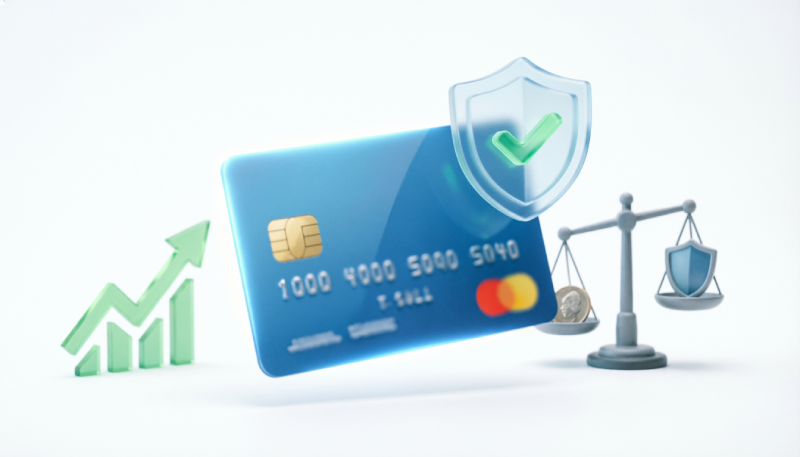
Overdraft protection is both a blessing and a curse. If you have bills or important obligations that must be paid with a specific account with this enabled, have no fear they will be paid even if your account is not sufficiently funded. But you will pay for big time with those dang overdraft fees. Typically you have the option to disable overdraft protection, but then you run the risk of having checks bounce and your debit card getting declined when making a purchase. Weigh your options and see what feels most comfortable for you.
The reality is that overdraft protection can save you from embarrassing declines at the grocery store or late fees on utility bills, but it can also become a costly crutch if you rely on it too often. Many banks charge upwards of $35 per overdraft transaction, and if you have multiple small purchases go through while your balance is low, those fees can snowball into hundreds of dollars in a single day. That is why understanding your own spending habits and account alerts is critical – some banks will send you a text or push notification when your balance dips below a certain threshold, giving you a chance to transfer funds before any overdraft occurs. Ignorance of these tools is not bliss; it is an expensive gamble.
So, how do I keep my track of my actual account balance since checks don’t post in real time like when I use my debit card? I could keep meticulous records after each purchase and for future transactions, but let’s be real. College was hard enough with 17 units, a job, an internship, and learning to adult…that wasn’t going to be practical for me. So I came up with another idea:
My Simple Strategy to Avoid Overdraft Protection Fees
A check writing account! I opened a checking and savings account at the local credit union, and dedicated it to specifically writing checks. So every month I would transfer the money for rent over to my check writing account, write the check so I drop it off at the office and voila! No more stress over check writing. And to this day, I still use this strategy and I haven’t had an overdraft fee since then. This simple mental accounting trick worked wonders because it separated my everyday spending money from my fixed obligations.
I knew that no matter how many lattes or late-night pizza slices I bought with my debit card, my rent money was safe and sound in that separate account. It gave me peace of mind and eliminated the guesswork that had previously caused me so much anxiety. The best part was that I didn’t need to be a math whiz or a spreadsheet guru – I just needed a little bit of forward-thinking and discipline to make that monthly transfer on payday. Over time, I even started putting a small buffer of $50 extra into that check writing account, just in case I miscalculated or the rent went up slightly. That buffer became my own personal safety net, and it cost me nothing to maintain.
Using Technology to Master Overdraft Protection
Now that they average bank or credit union has a mobile app, and options to schedule transfers in advance it makes managing money even simpler. You can set up recurring transfers from your main checking to your check writing account on the same day every month, so you never forget. You can also enable low-balance alerts specifically for that account, giving you an extra layer of awareness. Some apps even let you see your pending transactions and hold amounts, so you are not caught off guard by a restaurant tip or a gas station pre-authorization that temporarily reduces your available balance.
Technology has removed so many of the excuses we used to have for financial carelessness. Yet, despite all these digital tools, the fundamental principle remains the same: you must take ownership of your money. No app can replace the habit of checking your balances regularly and planning ahead for known expenses. Financial literacy is not about knowing every complex investment term; it is about mastering the basics – knowing what comes in, what goes out, and when each transaction hits your account.
What kinds of things have you done to make overdraft fees a thing of the past? Comment below or tweet me with your ideas! I would love to hear about your creative hacks—whether it is using a separate account like I did, keeping a paper register, or using a budgeting app that syncs with your bank in real time. Sharing our struggles and solutions is how we all get smarter with money. Remember, ignorance might feel like bliss in the moment, but knowledge is the true path to financial freedom and peace of mind. Let’s make this Financial Literacy Month the start of a lifetime of smart choices.
If you’d like to learn more about overdraft fees and how to avoid them, we have a few articles that can help.